
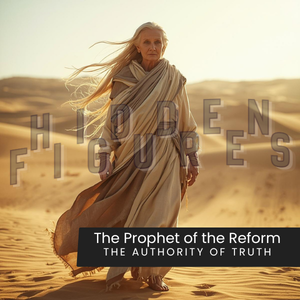
In 2 Kings 22, when King Josiah’s workers found the lost Book of the Law in the Temple ruins, the nation had reached a spiritual crisis point. They realized they had been living in total ignorance of God’s Word for generations. The King was devastated, tearing his robes in grief, but he didn’t just need the Book; he needed to know if it was real. He needed a living voice to validate the ancient text.
Remarkably, he didn’t go to the palace advisors or the famous male prophets of the time. He sent his top officials to Huldah, a woman living in Jerusalem. Her role was one of ultimate theological authority. She was the one tasked with authenticating the very Word of God for the institution. Huldah didn’t sugar-coat the message to please the royal court. She spoke an unvarnished truth about the coming judgment while offering personal grace to the King. Her voice became the specific catalyst for the greatest spiritual reform in Israel’s history.
Huldah’s story challenges our modern obsession with visibility and platform. She lived an ordinary life but she possessed extraordinary credibility. Because she was known for her integrity and her ear for God’s voice, the highest powers in the land submitted to her counsel. Do we value being seen, or being truthful? Huldah reminds us that when we anchor ourselves in the Word, our voice gains an authority that the world cannot ignore. You don’t need a spotlight to be a lamp for the truth.